
Category: Social Media
ChatGPT vs Google Gemini in 2026 (Which AI Tool Actually Wins for Social Media Marketers?)
ChatGPT vs Google Gemini in 2026 (Which AI Tool Actually Wins for Social Media Marketers?)
Let me be honest with you. When AI tools started flooding the market, I was sceptical. As a Social Media Executive, the last thing I needed was another tool that promised everything and delivered average results. So I did what any marketer would do: I rolled up my sleeves, used both ChatGPT and Google Gemini for real tasks, and let the results speak for themselves.
This is not a sponsored review. This is a hands-on comparison from someone who has actually used these tools to write captions, plan content calendars, research trending hashtags, draft ad copies, and more. If you are trying to decide which one to add to your social media workflow, read this before you commit.
First Things First: What Are These Tools?
Before we dive into the comparison of ChatGPT vs Google Gemini, a quick refresher for those just getting started.
OpenAI develops ChatGPT. It is a conversational AI that generates text based on your prompts. It is trained on vast amounts of internet data and is known for producing creative, detailed, and nuanced content. The free version runs on GPT-3.5, while the paid version (ChatGPT Plus) uses GPT-4, which is significantly more powerful.
Google Gemini (formerly Bard) is Google’s answer to ChatGPT. It is built on Google’s own large language models and is deeply integrated with Google’s ecosystem – Search, Docs, Gmail, and more. Gemini’s biggest advantage? It can pull real-time information from the web, which is a game-changer for marketers who need current data.
Both tools are impressive. But for social media marketing specifically, they each shine in very different areas, and that difference matters.
Real-World Use Cases: What I Actually Tested
1. Writing Social Media Captions
I gave both tools the same brief: Write five Instagram captions for a digital marketing agency promoting its SEO services. Target audience: small business owners. Tone: friendly but professional.
- ChatGPT delivered captions that felt more polished, varied in structure, and had stronger hooks. It understood tone nuance really well.
- Gemini produced decent captions, but they felt slightly templated, like they were following a pattern rather than genuinely crafting language.
Winner for captions: ChatGPT, by a clear margin.
2. Researching Trending Topics
This is where Gemini absolutely dominates. I asked both tools to give me the top trending digital marketing topics this week.
- ChatGPT gave me solid information, but it was based on its training data, which has a cutoff date. It could not tell me what was trending right now.
- Gemini pulled live results. It connected to the web and gave me current conversations, recent LinkedIn posts, and emerging hashtags. For a social media executive who lives and breathes real-time trends, this is not a small advantage. It is huge.
Winner for trend research: Gemini, hands down.
3. Content Calendar Planning
I asked both to create a one-month content calendar for a digital marketing brand, including post ideas, themes, and posting frequency across LinkedIn, Instagram, and X (formerly Twitter).
- ChatGPT gave me a more structured and thoughtful plan. It organised themes by week, suggested content pillars, and even included engagement prompts.
- Gemini’s version was functional but felt less strategic. It was more of a list than a genuine marketing plan.
Winner for content planning: ChatGPT.
4. Ad Copy Writing
I tested both with this: Write a Google Ads headline and description for a digital marketing agency offering social media management services.
- ChatGPT produced punchy, benefit-driven copy with strong CTAs. It naturally incorporated persuasive language without being pushy.
- Gemini’s output was more straightforward – accurate, but lacking the persuasive edge that good ad copy needs.
Winner for ad copy: ChatGPT.
5. Hashtag Research and Strategy
For hashtag strategy, I needed a mix of high-volume and niche tags for a LinkedIn post about AI in digital marketing.
- Gemini won this round because it could search and surface relevant hashtags currently.
- ChatGPT gave me solid evergreen suggestions, but could not validate their current performance.
Winner for hashtags: Gemini, because relevance is time-sensitive.
Feature-by-Feature Breakdown
Here is a quick summary of how the two tools compare across the most important factors for social media marketers:
- Real-time web access: Gemini Yes | ChatGPT No (free) / Yes (Plus with browsing)
- Content creativity and tone: ChatGPT stronger | Gemini good
- Google Workspace integration: Gemini Yes | ChatGPT No
- Image generation: ChatGPT (DALL-E 3 on Plus) | Gemini (basic)
- Multilingual support: Both supported
- Ease of use for beginners: Both easy
- Free plan quality: Gemini stronger | ChatGPT decent
- Best for long-form content: ChatGPT stronger | Gemini good
If you want a broader look at how these and other AI tools are reshaping digital marketing in 2026, our detailed guide on the 10 best AI tools for social media marketing covers everything from content creation to scheduling and analytics.
Bottom line: If you want creative firepower, go with ChatGPT. If you need real-time data and Google integration, go with Gemini.
ChatGPT Pricing Plans (2026)
Understanding the cost before you commit is important. ChatGPT currently offers six tiers, ranging from free access to enterprise-level plans. Here is a clear breakdown:
| Plan | Price (USD) | Key Features for Marketers |
| Free | $0 / month | GPT-5.3 (limited), 10 msgs per 5 hrs, basic image gen, ads (US) |
| Go | $8 / month | GPT-5.2 Instant, more messages/uploads, custom GPTs, includes ads |
| Plus | $20 / month | GPT-5.4 Thinking, Deep Research (10 runs), DALL-E, Sora, Agent Mode – ad-free |
| Pro | $200 / month | Unlimited GPT-5.4 Pro, 250 Deep Research runs, max context window |
| Business | $25 / user/month | Team workspace, SAML SSO, SOC 2, 60+ app integrations, no training on data |
| Enterprise | Custom pricing | Unlimited access, enterprise security, SLAs, data residency, 24/7 support |
For most social media marketers, ChatGPT Plus at $20/month is the sweet spot. It gives you access to the full model suite, DALL-E image generation, Deep Research, and Agent Mode – all without ads. If you are on a tight budget, the Go plan at $8/month works for basic content tasks, but it includes ads and skips advanced features.
Google Gemini Pricing Plans (2026)
Google Gemini’s pricing is structured around individual users and teams, with a clear upgrade path from free to enterprise. Here is how it breaks down:
| Plan | Price (USD) | Key Features for Marketers |
| Free | $0 / month | Gemini 2.5 Flash, limited Gemini 2.5 Pro, Deep Research, Gemini Live, 100 AI credits |
| Google AI Pro | $19.99 / month | Gemini 3.1 Pro, 1,000 AI credits, Deep Research, Workspace integration, 2 TB storage, 1-month free trial |
| Google AI Ultra | $124.99 / 3 months | Highest Gemini 3.1 Pro access, 25,000 AI credits, Veo 3.1 video gen, Agent Mode, 30 TB storage, YouTube Premium |
| Workspace Business | From $20 / user/month | Gemini in Gmail, Docs, Sheets, Meet – 1-year commitment |
| Workspace Enterprise | From $30 / user/month | Enterprise-grade security, advanced admin controls, and compliance features |
Google AI Pro at $19.99/month is Gemini’s best value plan for marketers. It comes with a free first month, Gemini 3.1 Pro access, 2 TB of Google Drive storage, and full Workspace integration across Gmail and Docs. If you are already deep in the Google ecosystem, this plan practically pays for itself in time saved.
Which One Should You Use for Social Media Marketing?
Honest recommendation based on personal experience:
Use ChatGPT if you are:
- Creating content in bulk – captions, blog posts, ad copies, email newsletters
- Writing scripts for Reels or YouTube Shorts
- Looking for a creative partner that understands tone and adapts to brand voice
- Wanting content that actually sounds human
Use Google Gemini if you are:
- Staying on top of trends or researching competitors
- Integrating AI into Google Workspace workflows
- Needing live data access for accuracy alongside creativity
My personal workflow? I use both. I brainstorm and draft content in ChatGPT, then validate trends and cross-reference current data in Gemini. They are not rivals in my toolkit. They are teammates.
A Word of Caution: AI Is a Tool, Not a Strategy
I want to address something that gets glossed over in most AI comparisons. Neither ChatGPT nor Gemini replaces strategic thinking. They can write a caption, but they cannot tell you why your audience stopped engaging last month. They can generate hashtag ideas, but they cannot replace a deep understanding of your brand’s community.
AI tools speed up execution. They help you produce more, experiment faster, and overcome creative blocks. But the strategy – the why behind every post, campaign, and piece of content – still needs a human brain behind it.
At WebOpTech Solutions, we use AI tools to enhance our team’s output, not to replace their expertise. The result is faster delivery, sharper content, and strategies that are grounded in real data and genuine marketing know-how.
SEO Tip: Leverage AI for Keyword-Rich Content, But Edit It
Both ChatGPT and Gemini can help with SEO content writing. But here is a critical mistake I see brands make. They publish AI-generated content without editing it. Google’s algorithms are sophisticated. Content that lacks originality, personal experience, or expert perspective will not rank as well as content that does.
Use AI to build the first draft. Then add your brand’s voice, real examples, updated statistics, and original insights. That combination – AI efficiency plus human expertise – is what creates content that ranks and resonates.
Conclusion:
After testing ChatGPT vs Google Gemini in a real social media marketing environment, here is where I stand:
- ChatGPT is the better creative writer – ideal for captions, ad copy, scripts, and long-form content.
- Google Gemini is the better researcher – ideal for trend analysis, real-time data, and Google ecosystem integration.
- Neither tool is a silver bullet. Used together, they are a powerful combination.
- Strategy, brand voice, and human judgment cannot be automated and should not be.
If you are a social media executive or digital marketer trying to work smarter, start experimenting with both tools. Give them real briefs from your current campaigns. You will quickly find out which one fits your workflow better, and you might end up doing what I did and keeping both in your corner.
10 Best AI Tools for Social Media Marketing in 2026 (Boost Reach & Save Time)
10 Best AI Tools for Social Media Marketing in 2026 (Boost Reach & Save Time)
Regular posting plays a key role in growing on social media. When you consistently share valuable and engaging content, platforms are more likely to push your posts to a larger audience. However, creating fresh content every week, managing posting schedules, and understanding what your followers actually want to see can be challenging – even when you are using a typical social media management tool. This is where AI-powered tools are starting to make a real difference.
AI tools are transforming social media marketing by helping with content creation, caption writing, audience sentiment analysis, and data-driven insights. They allow marketers and businesses to understand their audience better, make smarter decisions, and save time on repetitive tasks.
I explored and tested several AI tools designed for social media marketing. Some tools specialize in generating engaging content, while others focus on analytics, automation, or audience insights. After reviewing many options, I selected the 10 best AI tools that can help manage and improve your social media marketing in 2026.
The best AI social media marketing tools
- Sora Pro & Runway Gen-4: Best Video Sovereignty
- Jasper AI: Best AI Copywriting Tool for Social Media
- Sprout Social: Best AI Social Media Management Platform
- Brandwatch: Best AI Tool for Social Listening
- Mutiny: Best AI Tool for Personalization
- Adobe Firefly: Best AI Tool for Visual Content Creation
- ElevenLabs: Best AI Voice Generation Tool
- Meta Spark: Best AI Tool for AR Social Media Effects
- Predis.ai: Best AI Content Creation Engine
- Publer: Best Intelligent Social Media Automation Platform
What Is AI Social Media Marketing?
AI social media marketing refers to the use of artificial intelligence technologies to automate and improve social media activities. These tools help businesses create content, schedule posts, analyze audience behavior, and optimize marketing campaigns.
Instead of manually managing every task, marketers can use AI to streamline their workflow and focus more on strategy and creativity.
Key Benefits of AI in Social Media Marketing
AI tools provide several advantages for businesses and marketers:
- Content automation: Quickly generate captions, images, and videos.
- Improved targeting: AI analyzes user behavior to reach the right audience.
- Time efficiency: Automation reduces manual work.
- Better analytics: AI identifies patterns and predicts trends.
- Personalized marketing: Deliver customized content to different audiences.
With these capabilities, AI helps brands improve engagement, increase reach, and achieve better marketing results.
The 10 best AI tools for social media marketing to try in 2026
1. Sora Pro & Runway Gen-4: The Video Sovereignty
In 2026, short-form video dominates social media platforms like Instagram Reels, TikTok, and YouTube Shorts. Tools like Sora Pro and Runway Gen-4 have transformed how marketers create video content. These advanced AI tools can generate high-quality cinematic videos from simple text prompts while maintaining consistent characters, backgrounds, and motion across scenes.
Key Features
- AI text-to-video generation
- Automatic scene creation and editing
- Cinematic visuals and special effects
- Consistent characters and environments across clips
Why I Chose This Tool
Traditional video production can be expensive and time-consuming. With AI video tools, marketers can create professional videos in minutes without large production budgets. This allows brands to produce multiple variations of short-form content and test which videos perform best on platforms like TikTok, Instagram, and YouTube.
Marketing Advantage
A single product clip can be transformed into multiple visual styles—such as cinematic, animated, or futuristic – allowing brands to experiment with different creative approaches. In addition, marketers can generate localized video ads with different backgrounds for different audiences, making campaigns more personalized and effective.
2. Jasper Agents: The Brain of Your Brand DNA
In modern social media marketing, content speed and consistency are extremely important. Brands need to produce captions, promotional posts, storytelling content, and ad copy almost every day. Manually writing everything takes time and often leads to inconsistent messaging.
Jasper AI has evolved from a simple writing assistant into a complete AI-powered marketing content platform. It helps brands generate high-quality social media copy while maintaining a consistent brand voice across different platforms.
Key Features
- AI Social Media Copy Generation: Jasper creates captions, promotional posts, storytelling content, product descriptions, and social ads using proven marketing frameworks like AIDA and PAS to make content engaging and persuasive.
- Brand Voice Memory: Jasper can learn your brand voice by analyzing brand guidelines and past content, allowing it to generate posts that consistently match your brand tone.
- Multi-Platform Content Adaptation: It can turn one idea into different styles for each platform, such as professional LinkedIn posts, conversational Instagram captions, or short Twitter threads.
- Campaign Content Variations: Jasper generates multiple versions of the same message, helping marketers test different headlines, captions, and content styles for better performance.
Why I Chose This Tool
While tools like Copy.ai and ChatGPT can also generate marketing copy, Jasper stands out because it is specifically designed for brand-focused marketing teams. Its brand voice training, structured templates, and campaign workflows make it more reliable for consistent social media content. Compared to other AI writing tools, Jasper offers deeper marketing frameworks and better integration with marketing strategies rather than just generating random text.
Marketing Advantage
Jasper allows brands to produce large volumes of high-quality content quickly while maintaining brand consistency. This makes it easier for companies to stay active on multiple social platforms without sacrificing quality.
3. Sprout Social AI Insights: Predictive Virality and Emotion Mapping
One of the biggest challenges in social media marketing is understanding which content will actually perform well. Many brands spend hours creating posts that receive little engagement because they lack insights into audience behavior.
Sprout Social solves this problem by combining advanced analytics, AI insights, and audience behavior tracking into a single platform.
Key Features
- Advanced Engagement Analytics: Sprout Social tracks detailed metrics such as impressions, engagement rate, clicks, shares, and follower growth. These insights help marketers understand which content formats perform best.
- AI Sentiment Analysis: The platform scans comments, mentions, and conversations to determine how audiences feel about your brand. It categorizes responses as positive, neutral, or negative, giving businesses a clear view of public perception.
- Predictive Engagement Insights: Sprout Social’s AI can analyze historical performance data to predict which types of posts are likely to generate higher engagement in the future.
- Audience Behavior Monitoring: The tool identifies when your audience is most active online and what content formats they interact with most frequently.
Why I Chose This Tool
There are many social media analytics tools such as Hootsuite and Buffer, but Sprout Social provides much deeper analytics and AI insights. While tools like Buffer focus primarily on scheduling posts, Sprout Social focuses on understanding audience behavior and predicting engagement trends. This makes it more valuable for marketers who want data-driven strategies instead of just automation.
Marketing Advantage
With predictive analytics and detailed audience insights, marketers can focus on creating content that has a higher probability of going viral, improving engagement and ROI.
4. Brandwatch Influence: Vetting the New Creator Economy
Social media is not just about posting content; it is also about listening to conversations happening around your brand and industry. Millions of posts, comments, and discussions occur every day across different platforms.
Brandwatch is an AI-powered social listening and consumer intelligence platform that helps businesses monitor these conversations and identify trends.
Key Features
- AI Social Listening Engine; Brandwatch scans millions of online posts, comments, and discussions across social platforms, blogs, forums, and news sites.
- Influencer Discovery and Analysis: The platform helps brands identify influencers who are already discussing relevant topics in their industry.
- Competitor Monitoring: Brands can track competitor campaigns and analyze how audiences respond to them.
- Trend Detection: Brandwatch can identify emerging topics before they become mainstream trends.
Why I Chose This Tool
Although tools like BuzzSumo and Mention also provide social listening features, Brandwatch offers much more advanced AI analysis and broader data coverage. It can track conversations across multiple platforms and provide deeper insights into consumer behavior, making it more powerful for large-scale marketing strategies.
Marketing Advantage
By understanding conversations happening across the internet, brands can identify trends early and create relevant content before competitors do.
5. Mutiny for Social: Hyper-Personalization at Scale
In the 2026 social feed, “One-to-Many” marketing is dead. Mutiny for Social enables “One-to-One” marketing at scale. This tool essentially “rewrites” your social ads in real-time for every individual user who sees them.
Key Features
- Dynamic Content Personalization: Mutiny automatically adjusts marketing messages based on user behavior, interests, and browsing patterns.
- Audience Segmentation: The AI categorizes audiences into segments based on demographics, interests, and engagement patterns.
- Real-Time Content Adaptation: Content can change dynamically depending on who is viewing it.
- Data-Driven Personalization: The platform collects and analyzes behavioral data to improve targeting accuracy.
Why I Chose This Tool
Compared to personalization tools like HubSpot or Optimizely, Mutiny is specifically optimized for AI-driven personalization at scale. While traditional tools rely on manual segmentation, Mutiny uses machine learning to automatically adapt marketing messages for different audiences.
Marketing Advantage
Brands can deliver highly relevant messages to different audience groups, improving engagement, conversions, and customer loyalty.
6. Adobe Firefly Enterprise: The Visual Brand Guardian
Adobe Firefly is a generative AI platform developed by Adobe for creating images, designs, and marketing visuals.
It integrates with Adobe tools like Photoshop, Illustrator, and Adobe Express, making it ideal for social media designers.
Key Features
- AI Image Generation from Text Prompts: Adobe Firefly creates professional images from simple text prompts, such as product banners, ads, or social media visuals.
- Brand Style Consistency: It helps maintain consistent colors, fonts, and visual style across all designs to match brand identity.
- Integration with Adobe Creative Cloud: Firefly works smoothly with Photoshop, Illustrator, and Adobe Express, making it easy to refine and use AI-generated designs.
- Commercially Safe AI Training Data: Firefly is trained on licensed and Adobe-owned data, reducing copyright risks for marketing and commercial use
Why I Chose This Tool
Although tools like Midjourney and DALL·E can also generate images, Adobe Firefly stands out because it is designed specifically for commercial design workflows. Its integration with Adobe Creative Cloud makes it easier for marketing teams to incorporate AI-generated visuals into real campaigns. Compared to other AI image tools, Firefly also offers stronger copyright safety and better brand consistency.
Marketing Advantage
Adobe Firefly allows brands to create high-quality marketing visuals quickly while maintaining professional design standards, reducing the need for large design teams and speeding up content production.
7. ElevenLabs Social Suite: The Voice of Your Brand
With the rise of “Faceless” social media accounts and the explosion of audio-first platforms, voice is critical. ElevenLabs Social Suite allows brands to create a “Voice Persona” that is indistinguishable from a human speaker.
It is widely used for YouTube videos, podcast narration, Instagram videos, and TikTok content.
Key Features
- Human-Like AI Voice Generation: ElevenLabs uses deep-learning voice models to produce speech that sounds natural and expressive rather than robotic.
- Voice Cloning Technology: Brands can clone a specific voice and use it across multiple videos, ensuring consistency in narration and brand messaging.
- Multi-Language Voice Generation: The platform supports multiple languages, allowing marketers to easily create localized versions of the same content for global audiences.
- Emotion and Tone Control: The AI can adjust speech tone depending on the message, such as energetic for promotional videos or calm and informative for educational content
Why I Chose This Tool
There are several AI voice tools available, such as Murf AI and PlayHT, but ElevenLabs is widely recognized for producing the most realistic and expressive AI voices. Its voice cloning accuracy and emotional tone control make it particularly useful for high-quality marketing content and professional video narration.
Marketing Advantage
Brands can create consistent, high-quality voiceovers for videos and ads at scale, making it easier to produce multilingual content and expand their global reach.
8. Meta Spark AI 2026: The AR and Mixed Reality Interface
Social media is evolving beyond simple images and videos. Interactive technologies like augmented reality (AR) are creating new ways for audiences to engage with brands.
Meta Spark is an AR development platform that allows marketers to create interactive filters, effects, and immersive brand experiences for social media platforms.
Key Features
- Custom AR Filter Creation: Brands can design custom filters and effects that users can apply to their photos or videos on platforms like Instagram and Facebook.
- 3D Product Visualization: Users can interact with products in 3D, allowing them to preview items such as furniture, fashion, or accessories.
- Interactive Brand Experiences: Meta Spark enables interactive campaigns such as virtual try-ons, mini-games, and branded AR effects.
- Integration with Meta Platforms: AR filters created with Meta Spark can be easily shared and used across Instagram, Facebook, and other Meta platforms
Why I Chose This Tool
While platforms like Snap AR Studio and Lens Studio also offer AR capabilities, Meta Spark is particularly valuable for brands focused on Instagram and Facebook marketing. Because these platforms have massive user bases, AR campaigns created with Meta Spark can reach millions of users quickly.
Marketing Advantage
Interactive AR experiences encourage users to engage directly with brand content, increasing time spent with the brand and improving overall campaign engagement.
9. Predis.ai: The AI Content Creation Engine
Creating consistent social media content is one of the biggest challenges for businesses, especially small teams that lack dedicated marketing resources.
Predis.ai is an AI-powered platform designed to generate complete social media posts – including captions, images, hashtags, and video ideas – from a simple prompt.
Key Features
- AI Social Media Post Generation: Users can input a short description of a product or topic, and Predis automatically generates a full social media post including captions and creative ideas.
- Automatic Carousel and Video Content Creation: Predis can generate Instagram carousel posts and short promotional videos that are optimized for social media engagement.
- Competitor Content Analysis: The platform analyzes competitor profiles to identify what types of posts perform best in a particular niche.
- Hashtag Optimization: Predis suggests relevant hashtags that improve post discoverability and reach.
Why I Chose This Tool
Compared to tools like Canva and Buffer, Predis.ai focuses specifically on AI-powered social media content generation. While Canva excels at design and Buffer focuses on scheduling, Predis combines both with AI-driven content creation and competitor analysis, making it extremely useful for marketers who want to automate content production.
Marketing Advantage
Predis helps businesses generate weeks of social media content quickly, ensuring consistent posting without requiring a large marketing team.
10. Publer: The Intelligent Social Media Automation Platform
Managing multiple social media accounts can become complicated as brands grow. Posting manually on each platform often leads to inconsistent schedules and missed opportunities for engagement.
Publer is a social media management tool that focuses on automation, scheduling, and performance tracking.
Key Features
- Smart AI Post Scheduling: Publer analyzes past engagement data and suggests the best time to publish posts for maximum reach.
- Content Recycling Automation
High-performing posts can be automatically reposted after a specific time period, allowing evergreen content to continue generating engagement. - Multi-Platform Publishing: The platform supports posting across multiple social networks from a single dashboard, saving time and simplifying workflow.
- Performance Analytics: Publer provides insights into engagement metrics such as likes, comments, and shares to help marketers evaluate content performance.
Why I Chose This Tool
While scheduling tools like Hootsuite and Later also offer social media management features, Publer stands out for its content recycling automation and simple workflow management. It is particularly useful for small businesses and agencies that want efficient scheduling without complex enterprise-level tools.
Marketing Advantage
Publer allows brands to maintain a consistent posting schedule across multiple platforms while saving time on manual publishing tasks.
Industry-Specific Use Cases: AI in Action
To understand the full power of these tools, let’s look at how they are being used by market leaders across different sectors in 2026.
Case Study A: The B2B Tech Giant
A major cloud computing firm used Jasper Agents to monitor LinkedIn conversations about “Data Sovereignty.” When a major news story broke, the Agent drafted an authoritative response, created a 3D infographic using Adobe Firefly, and had a 60-second video commentary voiced by an ElevenLabs clone of the VP of Engineering—all within 45 minutes of the news breaking.
To ensure rapid distribution across multiple platforms, the team scheduled and published the content using Publer, allowing them to push updates simultaneously to LinkedIn, Twitter, and other channels.
- Result: 400% increase in “Share of Voice” compared to competitors who took 48 hours to respond.
Case Study B: The Global Fashion Brand
A luxury apparel brand used Meta Spark AI to launch a virtual “Runway Show” in mixed reality. Users could see the clothes in 3D in their own homes. Using Mutiny for Social, the brand showed different “Hero Outfits” to different users based on their past purchase history.
- Result: 25% conversion rate from the AR experience directly to checkout, a record for social media commerce.
Final Comparison Table: Choosing Your 2026 AI Stack
Tool |
Best For |
Primary Benefit in 2026 |
Starting Price |
| Sora Pro | Video Creation | High-quality (8k) AI video generation with strong scene and motion consistency | $200/month |
| Jasper AI Agents | Marketing Copy | Autonomous, on-brand content creation and campaign planning | $59–$69/month |
| Sprout Social | Analytics | 90%+ prediction accuracy for virality | $249/month |
| Brandwatch | Influencer Monitoring | Detects fake engagement and analyzes influencer authenticity | $800+ /month |
| Mutiny | Personalization | Real-time 1-to-1 personalized social and website experiences | $500+ /month |
| Adobe Firefly | Brand Safety | Commercially safe AI image generation with brand-consistent design | $9.99/month |
| ElevenLabs | Voice / Audio | Instant global dubbing with lip-sync | Free / $5+ month |
| Meta Spark | Mixed Reality | Immersive 3D shoppable experiences | Free |
| Predis.ai | Social Media Content | Generates AI posts, captions, carousels, and ad creatives automatically | Free / $32 month |
| Publer | Scheduling & Automation | AI-assisted post scheduling, analytics, and multi-platform publishing | Free / $12 month |
Conclusion:
AI tools are making social media marketing faster and more efficient in 2026. They help businesses create content, design visuals, analyze performance, and manage posts with less time and effort. By using the right AI tools, marketers can improve productivity, maintain a consistent online presence, and reach their target audience more effectively.
However, AI should support your strategy – not replace creativity. When combined with human ideas and planning, these tools can help businesses grow faster and achieve better results on social media marketing.
Top 8 Digital Marketing Mistakes Costing Healthcare Practices
Top 8 Digital Marketing Mistakes Costing Healthcare Practices
Running a healthcare practice in today’s digital age is no longer just about providing excellent patient care. It’s also about making sure your practice is easily found online, builds trust with potential patients, and encourages them to take action – whether it’s booking an appointment, calling for advice, or signing up for services.
Unfortunately, many healthcare businesses like clinics, hospitals, and diagnostic centers make common digital marketing mistakes that cost them leads, revenue, and reputation. If you’re wondering why your clinic’s website isn’t attracting more patients or why your ads aren’t converting, you’re not alone. In this article, we’ll explain the most frequent digital marketing mistakes made by healthcare practices and how you can avoid them using the right strategies and services.
Mistake #1 – Ignoring Local SEO
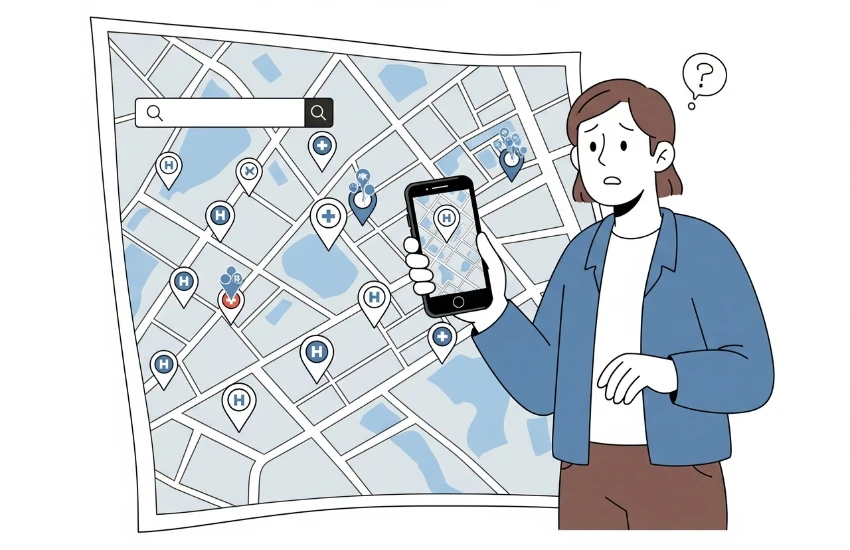
Many healthcare providers focus only on global strategies, forgetting that patients nearby are searching for medical services every day. If your practice isn’t appearing on Google when people search for “best dentist near me” or “child specialist in Bhubaneswar,” you’re losing potential patients.
Why it’s a problem:
- Patients prefer nearby healthcare providers.
- If your practice isn’t listed on Google Maps, it’s hard for patients to find you.
Solution:
Invest in local SEO services for healthcare by optimizing your clinic’s profile on Google My Business, ensuring your contact details are correct, and encouraging satisfied patients to leave reviews. Learn more about SEO services in healthcare that can help you rank higher and get found faster by people in your area.
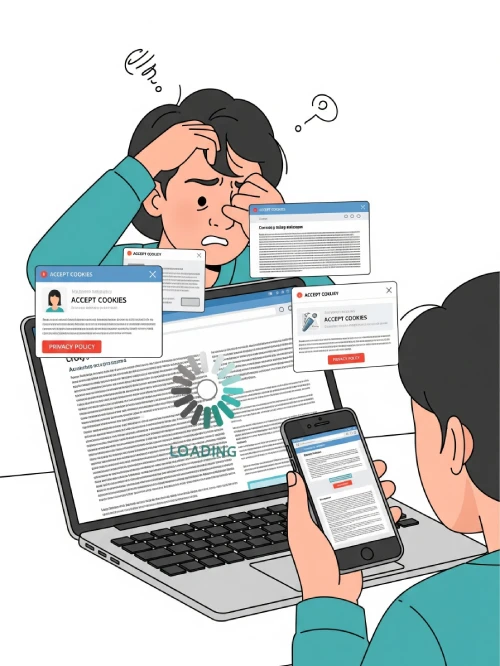
Mistake #2 – Poor Website Design and User Experience
Invest in local SEO services for healthcare by optimizing your clinic’s profile on Google My Business, ensuring your contact details are correct, and encouraging satisfied patients to leave reviews. Learn more about SEO services in healthcare that can help you rank higher and get found faster by people in your area.
Why it’s a problem:
- Patients may not trust an unprofessional-looking website.
- If the booking form is difficult, people won’t go through it.
Solution:
A professional healthcare website design service ensures that your site is mobile-friendly, easy to use, and visually consistent with your brand. Clear calls to action like “Book Appointment” and “Contact Us” should be prominently displayed. Check out our website design services for healthcare to learn how the right design can convert visitors into patients.
Mistake #3 – Focusing on Traffic, Not Quality Leads
Some healthcare providers run Google Ads or social media ads without refining their target audience. As a result, they get a lot of clicks but few actual appointment bookings.
Why it’s a problem:
- Ads are shown to people who aren’t looking for healthcare services.
- Money is spent, but results don’t justify the investment.
Solution:
Use Google Ads for healthcare with carefully selected keywords like “dental clinic in Bhubaneswar” or “physiotherapy center near me.” Target your ads based on location, demographics, and search intent. Our Google Ads services for healthcare are designed to bring in the right audience and ensure your budget is used effectively.
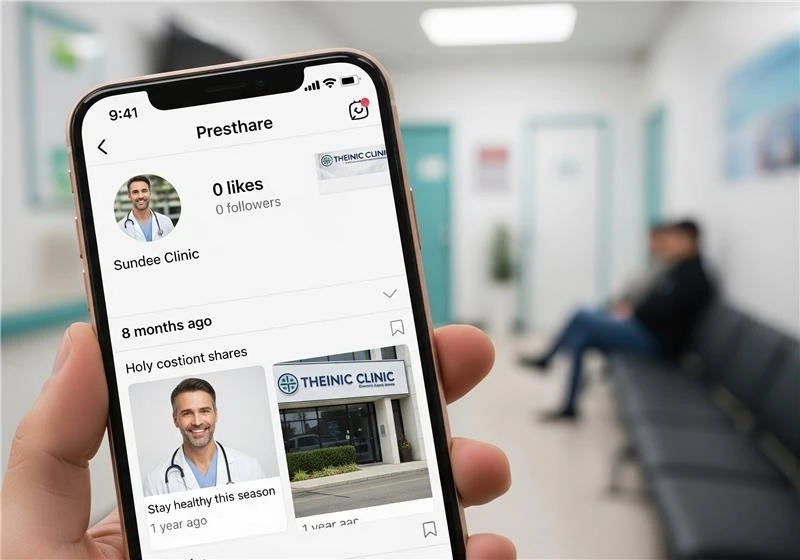
Mistake #4 – Not Using Social Media Effectively
Some healthcare businesses set up a social media account but never post updates or engage with patients. Others post irrelevant content that doesn’t connect with their audience.
Why it’s a problem:
- Patients turn to social media for trusted healthcare information.
- Inactive profiles appear unprofessional.
Solution:
Regularly post patient testimonials, health tips, and announcements about new services. Run targeted ads on Facebook and Instagram to reach local audiences and build trust. Explore our social media marketing services for healthcare to see how consistent engagement can bring more inquiries and bookings.
Mistake #5 – Not Building Trust with Content
Many healthcare websites fail to provide helpful information. A simple list of services or doctor profiles isn’t enough to answer patient questions or reduce anxiety.
Why it’s a problem:
- Patients need reassurance before choosing a healthcare provider.
- Lack of educational content reduces trust.
Solution:
Create blogs, FAQs, and guides that answer common patient concerns. For example:
- How to prepare for a dental checkup
- What to expect during physiotherapy treatment
Using SEO-friendly healthcare content helps your website rank higher and answers patient questions before they even contact you. Learn how SEO for healthcare can boost your content visibility and patient engagement.
Mistake #6 – Skipping Analytics and Reporting
Without tracking how your website and ads are performing, it’s impossible to know what’s working and what’s not. Many healthcare providers invest heavily without reviewing performance reports.
Why it’s a problem:
- You don’t know which campaigns are driving patient inquiries.
- Money may be wasted on ineffective strategies.
Solution:
Set up tools like Google Analytics and Facebook Pixel to track website visits, form submissions, and conversions. Regular reporting helps refine your approach, saving time and money. Our digital marketing agency for healthcare provides detailed reports and insights, helping you make informed decisions.
Mistake #7 – Not Prioritizing Mobile Optimization
With more patients using smartphones to search for doctors and clinics, mobile optimization is no longer optional. Slow-loading websites and hard-to-use booking forms turn away potential clients.
Why it’s a problem:
- Mobile users leave if pages don’t load quickly.
- Forms that aren’t mobile-friendly reduce appointment bookings.
Solution:
Ensure your website is responsive across all devices. Fast-loading pages, easy-to-fill forms, and click-to-call buttons should be part of your strategy. A mobile-friendly healthcare website can significantly boost appointment rates and patient satisfaction.
Mistake #8 – Overlooking Reputation Management
Negative reviews, unanswered patient questions, or inconsistent responses can harm your healthcare practice’s online reputation. Many practices either ignore reviews or delete them.
Why it’s a problem:
- Patients rely on reviews before choosing healthcare services.
- Poor reputation leads to lost trust and lost business.
Solution:
Encourage happy patients to leave reviews and respond promptly to negative feedback with empathy and solutions. Reputation management is a vital part of healthcare marketing and helps build long-term trust with your audience.
How WebOpTech Solutions Pvt. Ltd. Can Help
At WebOpTech Solutions Pvt. Ltd., we understand the challenges that healthcare providers face in today’s digital landscape. Our mission is to support clinics, hospitals, and healthcare centers across India with affordable, transparent, and effective marketing solutions. Our team of Google-certified experts offers specialized services in:
- SEO for healthcare
- Google Ads for healthcare
- Social media marketing for healthcare
- Website design services for healthcare
With over a decade of experience helping healthcare practices increase their online visibility and patient engagement, WebOpTech is committed to delivering measurable results that matter.
Final Thoughts
Digital marketing mistakes can cost healthcare practices thousands of rupees and miss out on opportunities to serve more patients. By addressing issues like poor SEO, weak content, and ineffective ads, you can turn your website into a powerful tool for growth.
Whether you’re a doctor, clinic owner, or healthcare center administrator, now is the time to invest in the right strategies. Don’t let these common mistakes hold your practice back. Get in touch with WebOpTech Solutions Pvt. Ltd. today to learn how you can attract more patients, build trust, and grow your healthcare business online.
👉 Contact us now to start transforming your healthcare practice’s online presence.
Top Reads from Our Blog :-
💻 Google Re-Announces the Store Widget (With New Features)
💻 Top 8 Digital Marketing Mistakes Costing Healthcare Practices
💻 Top 10 Seasonal Google Ads Tips for Tourism Businesses in 2025
💻 Travel Agency on Instagram? Try These 5 Growth Tricks
💻 How Clinics Use Social Proof to Build Patient Trust
💻 Is Your Clinic on Google Maps? Here’s Why It Matters
💻 Your Clinic’s Website Must Be Mobile-First. Here’s Why
💻 Car Rental Google Ads Wasting Budget? Avoid These Mistakes.
💻 Travel Website Not Ranking? Fix These SEO Mistakes Now!
Travel Agency on Instagram? Try These 5 Growth Tricks
Travel Agency on Instagram? Try These 5 Growth Tricks
If you’re running a travel agency and not seeing results on Instagram, you might be missing out on simple yet powerful strategies. Instagram is more than just pretty pictures—it’s a tool that can drive bookings, build trust, and showcase your experiences to the world.
Here are 5 easy and effective Instagram growth tricks designed specifically for travel businesses:
1. Use Location Tags and Geotags Smartly
Why it matters:
Instagram users often search for destinations using locations. If you post a picture of a Kashmir tour without tagging “Kashmir” or “Dal Lake,” you’re missing out on free reach.
What to do:
-
- Tag the exact location of your photos.
- Use popular destination-related hashtags like #GoaTrip, #DubaiTravel, or #EuropeBackpacking.
- Encourage customers to tag your agency in their travel photos too!
✅ Pro Tip: Always tag the most scenic or popular spot in your photo instead of just “India” or “Asia.”
2. Post Consistently with a Content Calendar
Why it matters:
Consistency keeps your brand fresh in people’s minds and tells Instagram your profile is active.
What to do:
-
- Post at least 3–4 times a week.
- Mix content types: destination reels, travel tips, customer reviews, behind-the-scenes stories, FAQs.
- Use a simple content calendar (even in Google Sheets) to plan posts in advance.
📌 Pro Tip: Use trending audio in reels for better discoverability.
3. Share Real Travel Stories and Testimonials
Why it matters:
People trust other people more than ads. Real stories connect emotionally and make your agency look reliable.
What to do:
-
- Share photos or short videos of your happy travelers.
- Ask for permission and tag them in posts.
- Create a “Customer Diaries” story highlight on your profile.
Example caption:
“Here’s how Raj and his family explored Ladakh with us in July! Their smiles say it all 😍 #LadakhDiaries #HappyTravellers”
4. Use Instagram Stories and Highlights to Educate & Engage
Why it matters:
Stories are where your regular followers hang out. They’re perfect for quick updates, offers, or travel tips.
What to do:
-
- Use polls, quizzes, countdowns, and questions to keep users engaged.
- Save your best stories under Highlights (ex: Kashmir Packages, Dubai Deals, Bhutan Tours).
Content idea:
“Planning your first international trip? Here are 3 must-know passport tips 🛂”
5. Collaborate with Travel Influencers & Micro-Creators
Why it matters:
Influencers already have the audience you want. A single post from the right travel creator can drive tons of traffic to your page.
What to do:
-
- Reach out to small but authentic travel bloggers (5k–50k followers).
- Offer free trips, discounts, or commissions for promoting your packages.
- Repost their content with your branding (with permission).
🤝 Bonus Hack: Partner with local influencers from your destination cities too!
Bonus Tips to Maximize Growth:
Use Instagram Insights: Track what type of content performs best and double down on it.
Optimize your bio: Mention what your agency offers, your USP (like “customized tours” or “24×7 support”), and include a link to your WhatsApp or website.
Run giveaways: Example: “Win a FREE weekend trip to Goa! Just follow, like, and tag 3 friends.”
Final Thoughts
Instagram isn’t just a visual platform-it’s a powerful tool to grow your travel agency brand. These 5 tricks don’t require a huge budget or expert skills. Just stay consistent, be authentic, and keep showing the magic of travel.
How Clinics Use Social Proof to Build Patient Trust
How Clinics Use Social Proof to Build Patient Trust
In today’s digital age, a clinic’s online reputation can make or break patient trust. With competition rising and patients becoming more research-savvy, social proof has emerged as a powerful strategy to build credibility, influence decisions, and increase appointment bookings.
So, what is social proof and how can your clinic use it effectively?
What is Social Proof in Healthcare?
Social proof is the psychological phenomenon where people look to others’ actions and experiences to determine their own. In healthcare, it means patients trust your services more when they see positive experiences from other patients-be it through reviews, testimonials, or case studies.
Example: A 5-star rating with detailed Google reviews from real patients builds far more trust than a self-written paragraph saying “We offer quality care.”
Why Social Proof is Crucial for Clinics and Doctors
- Patients Google Everything Before Booking
According to BrightLocal, 87% of consumers read online reviews for local businesses—including healthcare providers—before making a decision.
- Healthcare is Personal and Risk-Based
Patients are not just buying a service—they’re putting their health in your hands. Seeing real patient stories offers reassurance.
- Trust Drives Conversion
Clinics with strong social proof (ratings, testimonials, success stories) see higher appointment rates and patient retention.
7 Powerful Social Proof Strategies for Clinics
1. Patient Reviews on Google & Practo
-
- Encourage happy patients to leave Google reviews, or rate your clinic on platforms like Practo, Lybrate, or JustDial.
- Make it easy: send follow-up messages with direct links.
✅ Pro Tip: Display reviews as screenshots on your website and social media.
2. Before & After Visual Case Studies
-
- Especially effective for dental clinics, dermatology, or physiotherapy.
- Share transformation stories with patient consent using visuals, quotes, and outcomes.
Example: “How Mrs. Patel Got Her Smile Back with Dental Implants – Before & After”
3. Video Testimonials from Real Patients
-
- Short video testimonials create emotional connection and authenticity.
- Share them on Instagram, Facebook, YouTube Shorts.
🎥 Tip: Keep it under 90 seconds and shoot in a clean, professional setting.
4. User-Generated Content (UGC)
-
- Encourage patients to tag your clinic or doctor’s profile in their recovery stories or “Thank you” posts.
- Repost (with permission) to your social media.
📱 Instagram Stories Highlights: Create a “Happy Patients” section.
5. Influencer Endorsements (Micro-Local)
-
- Partner with local wellness bloggers or health-conscious influencers.
- Even small local pages with 5k-10k followers can drive high trust if aligned with your niche.
6. Awards, Media Features, and Certifications
-
- Showcase any press mentions, awards, affiliations, or accreditations.
- Add these to your website footer, “About” page, and social media bios.
7. Display Patient Counts & Milestones
-
- Example: “Trusted by 10,000+ patients since 2015” or “Over 2,000 successful dental implants.”
- These numbers act as quantitative proof of trust.
Social Proof Formats for Each Platform
| Platform | Best Type of Social Proof |
| Google My Business | Ratings, written reviews, photos of clinic |
| Reels of testimonials, before-after photos | |
| Reviews, reposted patient stories | |
| Website | Embedded reviews, video testimonials, logos |
| YouTube | Detailed success stories and case discussions |
Common Mistakes to Avoid
- Faking testimonials or using stock photos – Patients can tell when it’s not real.
- Ignoring negative reviews – Always respond politely and show concern.
- Posting only self-praising content – Balance it with authentic patient experiences.
How to Start Using Social Proof Today
- Ask for reviews consistently – Build it into your patient discharge or feedback process.
- Collect permissions – Always get written consent for photos, videos, or case studies.
- Share stories weekly – Use a content calendar to plan your social proof posts.
- Invest in good design – Use clean, branded visuals to present testimonials.
Final Thoughts
Building patient trust isn’t about big promises. It’s about consistently showing real, positive experiences others have had with your clinic. In a field where trust equals bookings, social proof is not optional—it’s essential.
Make it a key part of your healthcare marketing strategy today.
💡 Want to improve your clinic’s digital presence?
Contact WebOpTech – India’s trusted digital marketing partner for doctors, dentists, clinics, and diagnostic centers. We help you grow with smart SEO, Google Ads, and social media strategies.